

How Arteta Rebuilt Arsenal with Discipline and Vision

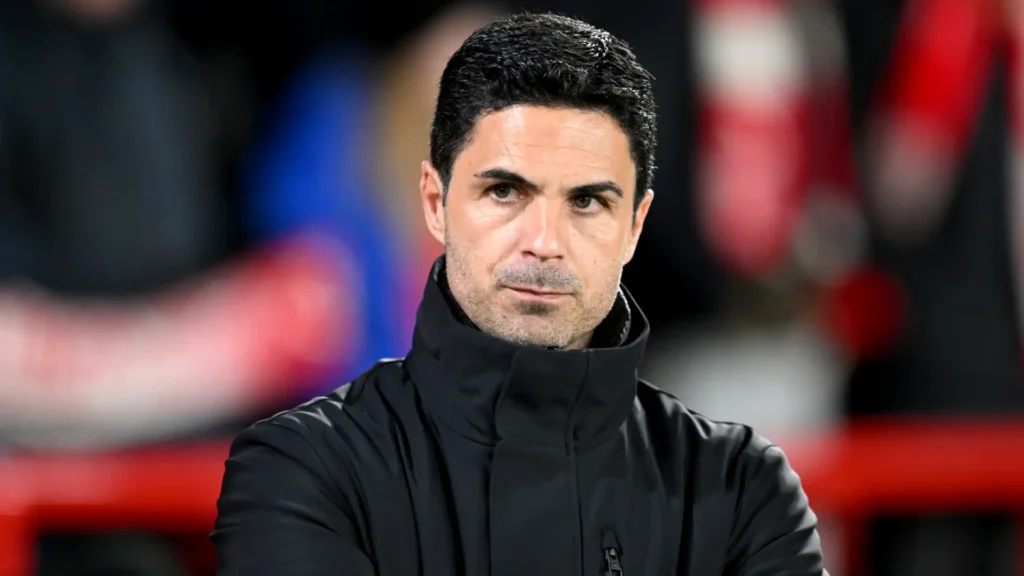
How Arteta Rebuilt Arsenal with Discipline and Vision
When Mikel Arteta walked into Arsenal as head coach, the club was drifting. Confidence was low, standards felt blurred, and the identity that once defined Arsenal football had faded. Many managers before him tried quick fixes. Some leaned on reputation. Others chased short-term results. Arteta chose a harder path.
He chose discipline. He chose vision. And most importantly, he chose patience.
This is the story of how Arteta rebuilt Arsenal from the inside out. Not just through tactics or transfers, but through culture, accountability, and belief. It is a rebuild that divided opinion early on, demanded trust from supporters, and ultimately reconnected the club with its roots.
The State of Arsenal Before Arteta
Before Arteta took charge, Arsenal were stuck in an uncomfortable middle ground. They were no longer title contenders, yet still carried the expectations of a giant club. Defensive issues were constant. Player commitment was questioned. Leadership on the pitch felt absent.
There was talent, but no cohesion. There was history, but no clear direction.
The squad lacked balance.
The dressing room lacked authority.
The football lacked identity.
Arteta inherited more than a tactical problem. He inherited a cultural one.
Arteta’s First Message: Standards Come First
From day one, Arteta made it clear that reputation meant nothing. Only behavior mattered. Training intensity, punctuality, attitude, and accountability became non-negotiable.
This approach surprised many. Some senior players struggled. Others resisted. However, Arteta did not compromise.
He believed that discipline was the foundation of success. Without it, tactics were meaningless.
Key principles he enforced included:
-
Clear rules and consequences
-
Equal treatment for all players
-
High training standards
-
Respect for the club’s values
-
Professional conduct on and off the pitch
This wasn’t popular. But it was necessary.
Tough Decisions That Defined His Authority
One of the defining moments of Arteta’s tenure was his willingness to make uncomfortable decisions. High-profile players were dropped, sold, or released when they failed to align with the club’s direction.
These choices sent a message louder than any press conference.
No player was bigger than Arsenal.
>No contract guaranteed a place.
>No status excused poor behavior.
By enforcing these standards, Arteta reshaped the power dynamics inside the club. Younger players saw opportunity. The dressing room began to reset.
Building a New Culture From the Ground Up
Culture does not change overnight. Arteta understood this. He focused on daily habits, not slogans.
He emphasized:
-
Collective responsibility
-
Clear communication
-
Emotional control
-
Leadership through example
-
Long-term thinking
Training sessions became more structured. Match preparation became more detailed. Feedback became more direct.
Slowly, the atmosphere changed. Players began to trust the process.
Arteta’s Tactical Vision Explained
Beyond discipline, Arteta brought a clear tactical identity. His football philosophy blended positional play, controlled buildup, and structured pressing.
He wanted Arsenal to:
-
Dominate possession intelligently
-
Build attacks from the back
-
Control space, not just the ball
-
Press as a unit
-
Stay compact defensively
This approach required time. Mistakes were inevitable. However, Arteta resisted abandoning his principles during difficult periods.
He believed consistency would bring clarity.
Flexibility Without Losing Identity
One of Arteta strengths is adaptability. While his core philosophy remains consistent, he adjusts details based on opposition and personnel.
This includes:
-
Switching defensive shapes
-
Using inverted fullbacks
-
Rotating midfield roles
-
Adjusting pressing triggers
-
Managing game tempo
This balance between structure and flexibility has allowed Arsenal to grow tactically without losing identity.
Trusting Youth and Building a Core
Perhaps the most visible part of Arteta’s rebuild was his faith in young players. Rather than chasing expensive short-term solutions, he focused on building a core that could grow together.
Young talents were given responsibility, not protection.
They were trusted in big matches.
>They were held accountable after mistakes.
>They were developed patiently.
This approach created hunger, unity, and long-term stability.
Leadership Redefined Under Arteta
Leadership at Arsenal changed under Arteta. It became less about volume and more about example.
He encouraged leaders to:
-
Set standards in training
-
Communicate constructively
-
Support younger teammates
-
Maintain emotional discipline
-
Represent the club’s values
This shift helped restore respect within the squad and beyond it.
Recruitment With Purpose, Not Panic
Transfer strategy became another pillar of Arteta’s vision. Every signing served a specific role. Character mattered as much as ability.
The recruitment focus included:
-
Tactical fit
-
Mental resilience
-
Professional attitude
-
Age profile
-
Long-term potential
This method reduced chaos and increased cohesion. Each new player understood expectations before stepping onto the pitch.
The Role of Communication and Clarity
One underrated aspect of Arteta leadership is communication.
Players know where they stand.
Supporters know the direction.
The club speaks with one voice.
That clarity builds trust during difficult periods.
Handling Criticism and Pressure
Early in his tenure, Arteta faced intense criticism. Results were inconsistent. Performances fluctuated. Calls for his dismissal grew louder.
However, he remained calm.
He did not blame players publicly.
>He did not change direction impulsively.
>He did not seek excuses.
This composure reinforced his authority and allowed the project to continue.
Reconnecting Arsenal With Its Identity
Arsenal’s identity has always been about more than winning. It includes style, courage, youth development, and ambition.
Arteta respected that history while modernizing it.
He honored tradition without being trapped by it.
He introduced innovation without losing soul.
This balance helped reconnect supporters with the team.
Arteta Bio Section
| Detail | Information |
|---|---|
| Full Name | Mikel Arteta Amatriain |
| Date of Birth | March 26, 1982 |
| Age | 43 |
| Profession | Football Manager, Former Professional Player |
| Nationality | Spanish |
| Net Worth (approx.) | $25–30 million |
| Notable Works / Achievements | Arsenal head coach, FA Cup winner, Premier League title challenger |
Measuring Success Beyond Trophies
While silverware matters, Arteta’s success should also be measured in stability, direction, and belief.
Arsenal now have:
-
A clear playing style
-
A balanced squad
-
Strong leadership
-
A unified vision
-
Renewed ambition
These foundations are essential for sustained success.
Lessons From Arteta’s Rebuild
There are powerful lessons from Arteta’s journey at Arsenal that extend beyond football:
-
Discipline creates freedom
-
Vision requires patience
-
Culture shapes performance
-
Leadership demands courage
-
Long-term thinking beats short-term fixes
These principles apply to teams, organizations, and personal growth alike.
Why Arteta’s Project Matters
In a football world obsessed with instant results, Arteta’s rebuild stands out. It proves that trust, clarity, and consistency still matter.
He did not chase applause.
>He did not follow trends.
>He built something real.
That authenticity resonates with players and supporters.
Conclusion: Discipline, Vision, and Belief
Arteta rebuilt Arsenal by changing how people think, not just how they play. Discipline restored standards. Vision restored direction. Belief restored identity.
This rebuild was never about shortcuts. It was about foundations.
As Arsenal continue to evolve, one thing is clear: the transformation under Arteta is not accidental. It is deliberate, demanding, and deeply rooted in purpose.
If this story resonated with you, share your thoughts, debate the journey, or pass it on. Conversations like this are part of what keeps football alive.