

Charro Beans Recipe: Authentic Mexican Style

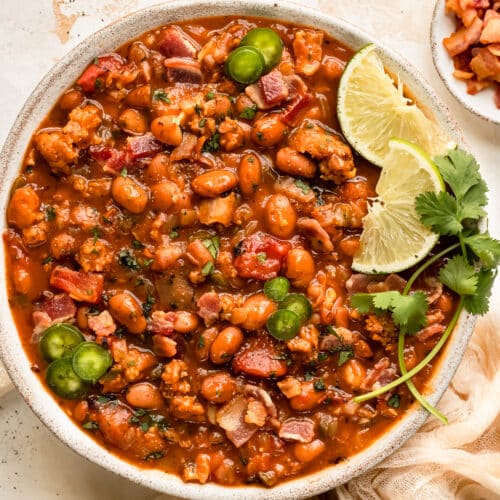
There’s something deeply comforting about a bowl of warm, smoky beans simmered slowly with spices, bacon, and aromatics. It’s the kind of dish that feels like home, even if you’ve never been to Mexico. That’s exactly the magic behind traditional Charro Beans.
If you’ve ever searched for a Charro Beans recipe, you probably already know there are dozens of variations out there. Some are simple, some are overly complicated, and some just miss the authentic flavor entirely.
But today, we’re going back to basics. This guide is all about creating Charro Beans the way they’re meant to be made—rich, smoky, comforting, and deeply satisfying. No shortcuts, no confusion, just real flavor.
So grab a pot, and let’s cook something unforgettable.
What Are Charro Beans?
Before diving into the Charro Beans recipe, it’s worth understanding what makes this dish so special.
The Origin of Charro Beans
Charro beans, also known as “frijoles charros,” come from northern Mexico. They are often associated with ranch culture and traditional cowboy-style cooking.
Key Characteristics
- Slow-cooked pinto beans
- Smoky and savory broth
- Bacon or pork-based flavor
- Spices, tomatoes, and chilies
- Rustic, hearty texture
Moreover, Charro Beans are often served as a side dish, but they can easily stand as a meal on their own.
Why This Charro Beans Recipe Works
There are many versions of Charro Beans, but not all of them deliver depth of flavor.
What Makes This Recipe Authentic?
- Uses traditional Mexican cooking methods
- Builds flavor in layers
- Balances smoky, spicy, and savory notes
- Focuses on slow simmering for richness
In addition, this version stays true to the rustic roots of the dish.
Ingredients for Charro Beans Recipe
A great Charro Beans recipe starts with simple but powerful ingredients.
Main Ingredients
- 2 cups dried pinto beans
- 6 cups water or chicken broth
- 6 slices bacon (chopped)
- 1 medium onion (diced)
- 4 cloves garlic (minced)
- 2 tomatoes (chopped)
- 1–2 jalapeños (optional for heat)
- 1 teaspoon cumin
- Salt and pepper to taste
- Fresh cilantro for garnish
Optional Add-Ins
- Chorizo for extra spice
- Ham or pork belly for richness
- Lime juice for brightness
- Bell peppers for sweetness
Moreover, flexibility is what makes Charro Beans so popular in home kitchens.
Step-by-Step Charro Beans Recipe
Let’s break down the cooking process in a simple, natural way.
1: Prepare the Beans
- Rinse pinto beans thoroughly
- Soak overnight (optional but recommended)
- Drain before cooking
This step helps improve texture and reduces cooking time.
2: Cook the Bacon Base
In a large pot:
- Fry chopped bacon until crispy
- Remove excess grease (leave a little for flavor)
- Add onions and garlic
This is where the foundation of your Charro Beans recipe begins.
3: Build the Flavor
Now add:
- Tomatoes
- Jalapeños
- Cumin
- Salt and pepper
Cook until everything softens and becomes aromatic.
Step 4: Add Beans and Liquid
- Add soaked beans
- Pour in water or broth
- Stir well
Bring everything to a boil, then reduce to a simmer.
5: Slow Cook
Let the beans cook slowly for 1.5 to 2 hours.
- Stir occasionally
- Add water if needed
- Taste and adjust seasoning
This slow process is what makes Charro Beans rich and flavorful.
6: Final Touch
Once beans are soft:
- Adjust salt
- Add chopped cilantro
- Optional: squeeze lime juice
Your Charro Beans recipe is now complete.
Cooking Tips for Perfect Charro Beans
Even a good recipe can be improved with small details.
Expert Tips
- Don’t rush the simmering process
- Use fresh garlic for stronger flavor
- Cook in a heavy pot for even heat
- Let beans rest before serving
- Adjust spice levels gradually
Moreover, patience is the real secret ingredient here.
Common Mistakes to Avoid
Even experienced cooks can go wrong with Charro Beans.
Mistakes to Watch Out For
- Overcooking beans until mushy
- Not seasoning in layers
- Skipping aromatics like garlic and onion
- Using too much water at once
However, these mistakes are easy to fix once you know them.
Flavor Profile of Charro Beans
What should your Charro Beans recipe taste like?
Expected Flavor Notes
- Smoky from bacon
- Earthy from beans
- Spicy from jalapeños
- Slight sweetness from tomatoes
- Savory depth from slow cooking
In addition, the broth should be rich but not too thick.
Serving Ideas for Charro Beans
Charro Beans are incredibly versatile.
Best Ways to Serve
- As a side dish with grilled meats
- Alongside tacos or burritos
- With warm tortillas
- Over rice for a full meal
- As a topping for nachos
Moreover, they pair beautifully with Mexican-style dishes.
Nutritional Value of Charro Beans
Beyond flavor, Charro Beans also offer good nutrition.
Health Benefits
- High in protein
- Rich in fiber
- Good source of iron
- Filling and satisfying
However, bacon adds fat, so moderation is key if you’re watching calories.
Variations of Charro Beans Recipe
Different regions and families have their own versions of Charro Beans.
Popular Variations
- Vegetarian Charro Beans (no meat)
- Spicy Charro Beans (extra chilies)
- Chorizo-based version
- Slow cooker Charro Beans
In addition, each variation brings a unique twist to the classic dish.
Conclusion
A great bowl of Charro Beans is more than just food—it’s tradition, warmth, and comfort in every bite. This Charro Beans recipe brings together simple ingredients and slow cooking to create something deeply satisfying.
Whether you’re making it for family dinner, a weekend gathering, or just craving something hearty, Charro Beans never disappoint.
The beauty of this dish lies in its simplicity and flexibility. Once you master the base recipe, you can adjust it to your taste and make it your own.
If you try this recipe, share your experience—because good food always tastes better when it’s shared.