

Snow in UK: When, Where, and Why It Happens

Snow in UK: When, Where, and Why It Happens
Snow in the UK has a strange power over people. A light dusting can bring quiet excitement, while a heavier fall can cause chaos, school closures, and travel disruption. Unlike countries where snow is expected every winter, snow in UK feels unpredictable. Some years it barely appears. Other years, it arrives suddenly and changes daily life overnight.
People often ask the same questions. When does snow usually fall in the UK? Why does one town get heavy snowfall while another nearby sees only rain? And why does British snow seem to cause more disruption than snow elsewhere?
This article answers those questions in a clear, practical, and human way. We will explore snow in UK patterns, regions, weather systems, climate influences, and what the future may look like. Whether you are curious, planning travel, or simply fascinated by winter weather, this guide is designed to give real understanding without confusion.
Understanding Snow in the UK Climate
The UK has a temperate maritime climate. That single fact explains a lot about why snow behaves the way it does here.
Why Snow Is Unpredictable in the UK
Unlike colder continental climates, the UK sits between cold polar air and warmer Atlantic air. This creates constant change. A few degrees can decide whether precipitation falls as rain, sleet, or snow.
Key reasons snow in UK is unpredictable include:
-
Proximity to the Atlantic Ocean
-
Frequent low-pressure systems
-
Shifting wind directions
-
Rapid temperature changes
-
Moist air mixing with cold air
Because of this, snowfall often depends on timing rather than season alone.
The Role of the Atlantic Ocean
The Atlantic acts like a temperature regulator. In winter, it keeps the UK milder than countries at similar latitudes. This is why London is usually warmer than cities much further south in mainland Europe.
However, when colder air pushes in strongly enough, snow becomes possible, especially inland and at higher elevations.
When Does Snow Usually Fall in the UK?
Snow in the UK is most likely during meteorological winter, which runs from December to February. However, snowfall has been recorded as early as October and as late as April in some regions.
Peak Months for Snow in UK
Historically, the most common months for snowfall are:
-
December
-
January
-
February
January often sees the coldest temperatures, which increases the chance of snow settling rather than melting on contact.
Early and Late Snowfall
Early snow in November is usually brief and patchy. Late snow in March or April tends to surprise people, but it does happen, especially in northern areas and uplands.
Timing matters more than the calendar. A cold air mass arriving at the right moment can bring snow even outside typical winter months.
Where Snow Falls Most in the UK
Snowfall is not evenly distributed across the country. Geography plays a major role.
Regions Most Likely to See Snow in UK
Some areas are naturally more prone to snow due to altitude and distance from the sea.
Common snow-prone regions include:
-
Scottish Highlands
-
Pennines
-
Northumberland
-
Lake District
-
Welsh mountains
-
Peak District
Higher ground cools faster, allowing snow to form and settle more easily.
Snow in Cities vs Rural Areas
Cities often see less snow than surrounding countryside. This is due to the urban heat island effect, where buildings, traffic, and human activity raise temperatures slightly.
As a result, snow in UK cities like London, Birmingham, and Manchester often turns to slush faster than in rural areas.
Why Some Winters Have No Snow at All
Many people remember winters with no snow whatsoever. This is not unusual in the UK.
Mild Winters and Weather Patterns
Mild winters are usually linked to strong Atlantic winds bringing warmer air. These conditions keep temperatures above freezing and turn potential snow into rain.
Climate patterns such as persistent westerly airflow reduce the likelihood of cold air settling over the country.
Climate Change and Snow in UK
Climate change is affecting snowfall patterns. Winters are becoming milder overall, but that does not mean snow will disappear completely.
Instead, we are seeing:
-
Fewer snow days on average
-
Shorter snow duration
-
Heavier snowfall when conditions align
-
Increased weather extremes
This explains why snow events now feel rarer but more intense.
The Science Behind Snow Formation
Snow is simply frozen precipitation, but the process behind it is precise.
How Snow Forms in the Atmosphere
For snow to form, three conditions must align:
-
Cold air throughout the atmosphere
-
Moisture in the air
-
Lift to force air upward
When moist air rises and cools, water vapor freezes into ice crystals. These crystals grow and fall as snow if temperatures remain low enough.
Why Snow Turns to Rain So Easily in the UK
In the UK, cold air near the ground is often shallow. Snowflakes may form higher up but melt as they fall through warmer air below. This creates sleet or rain instead of snow.
This is one of the most common reasons snow forecasts change at the last minute.
Types of Snowfall Seen in the UK
Not all snow in UK is the same. Different weather systems produce different types of snowfall.
Frontal Snow
This occurs when warm air meets cold air along a weather front. It often brings widespread snowfall, especially in northern regions.
Convective Snow Showers
These are heavy but localized snow showers, often seen during cold northerly or easterly winds. They can dump significant snow in one area while leaving another untouched.
Lake Effect-Style Snow
In rare cases, cold air passing over warmer sea surfaces can create snow showers, particularly along eastern coasts.
How Snow in UK Affects Daily Life
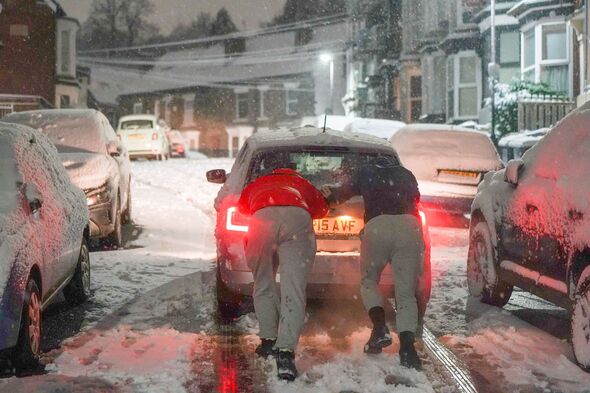
Snow has an outsized impact on daily life in the UK compared to countries with regular snowfall.
Transport Disruption
Snow affects roads, railways, and airports. Gritting helps, but sudden snowfall can still cause delays.
Common issues include:
-
Slippery roads
-
Reduced visibility
-
Frozen points on railways
-
Flight cancellations
School Closures and Work Changes
Schools may close due to safety concerns, especially in rural areas. Remote work has reduced disruption in recent years, but snow still changes routines.
Economic Impact
Snow can cost the economy millions through lost productivity, but it can also boost sectors like retail, tourism, and winter sports.
Why Snow Feels More Disruptive in the UK
People often compare the UK to colder countries and wonder why snow causes so much disruption here.
Infrastructure and Frequency
Countries with regular snow invest heavily in winter infrastructure. The UK does not, because snowfall is relatively infrequent.
Preparing for rare extreme snow would be costly and inefficient.
Cultural Expectations
Snow is treated as an event rather than a norm. This changes how people react and prepare.
Snow in UK and Forecasting Challenges
Forecasting snow is one of the hardest tasks in meteorology.
Why Snow Forecasts Change Often
A difference of one or two degrees can completely alter outcomes. Forecast models may struggle with:
-
Surface temperatures
-
Ground conditions
-
Wind direction
-
Timing of precipitation
This is why snow forecasts are often updated frequently.
Reading Snow Forecasts Correctly
Instead of focusing on exact totals, it helps to look at probability and confidence levels. Snow maps show potential, not certainty.
Historic Snowfall Events in the UK
The UK has experienced memorable snow events that still shape public perception.
Notable Winters
-
The winter of 1962–63 brought prolonged cold and heavy snow
-
1987 saw unexpected snowfall in southern England
-
2010 caused widespread disruption across the country
These events are remembered because they were unusual, intense, and long-lasting.
Snow in UK and Regional Differences
England
Southern England sees less snow overall, but when it does fall, disruption is often greater due to population density.
Scotland
Scotland experiences snow more regularly, especially in highland areas. Snow cover lasts longer due to colder temperatures.
Wales
Mountainous regions of Wales see frequent snowfall, while coastal areas remain milder.
Northern Ireland
Snowfall is less frequent, but cold spells can still bring snow, especially inland.
Preparing for Snow in the UK
Preparation reduces stress and risk during snow events.
Practical Preparation Tips
-
Check weather updates regularly
-
Keep emergency supplies at home
-
Plan travel carefully
-
Dress in layers
-
Protect pipes from freezing
Being prepared makes snow less disruptive and more manageable.
The Future of Snow in UK
Snow is not disappearing, but it is changing.
What to Expect in Coming Years
Climate projections suggest:
-
Less frequent snowfall overall
-
More short-lived snow events
-
Increased variability between winters
-
Higher chance of extreme weather
Snow in UK will likely remain a feature of winter, but not a reliable one.
Why People Still Love Snow in the UK
Despite disruption, many people enjoy snow. It changes landscapes, slows life down, and creates shared experiences.
Snow days remain nostalgic, even for adults.
Conclusion: Understanding Snow in UK Makes All the Difference
Snow in the UK is shaped by geography, ocean influence, and changing climate patterns. Its unpredictability is not a flaw, but a feature of living on the edge of competing weather systems.
By understanding snow in UK, including when it happens, where it falls, and why it behaves the way it does, we can respond better and stress less. Snow will always surprise us here. That is part of its character.
If this guide helped you understand British snow a little better, share your thoughts or experiences. Every winter tells a different story, and yours might be the next one worth hearing.