
7 Key Tactics Behind Oliver Glasner Success
 Caitlin Goddard
12 mins0
Caitlin Goddard
12 mins0
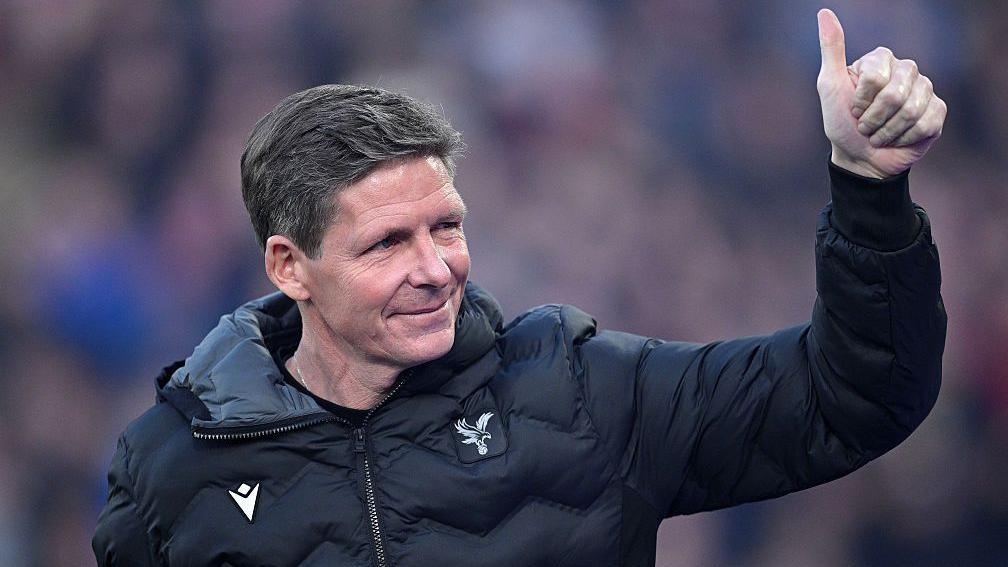
7 Key Tactics Behind Oliver Glasner Success
Modern football moves fast. Managers are judged weekly, sometimes even hourly. One bad run, and doubts appear. One tactical masterclass, and suddenly a coach is labeled visionary. Yet few managers have built a reputation for structure, clarity, and adaptability quite like Oliver Glasner. His rise through European football has not been accidental. It has been deliberate, calculated, and rooted in a clear football philosophy.
So what exactly drives Oliver Glasner’s success? Is it pressing intensity? Tactical discipline? Smart recruitment? Or something deeper within his leadership style? The answer lies in a combination of strategic detail and emotional intelligence. In this article, we break down the seven key tactics that define Oliver Glasner and explain why his methods continue to deliver results at the highest level.
Oliver Glasner: Quick Biography
Before diving into tactical analysis, here is a quick look at his background.
| Full Name | Oliver Glasner |
|---|---|
| Date of Birth | August 28, 1974 |
| Age | 51 (as of 2026) |
| Profession | Football Manager, Former Player |
| Nationality | Austrian |
| Net Worth (approx.) | Estimated $5–8 million |
| Notable Works / Achievements | UEFA Europa League Winner, Bundesliga Manager |
Oliver Glasner began his career as a professional defender in Austria before transitioning into coaching. Over time, he managed clubs in the Austrian Bundesliga, German Bundesliga, and European competitions, earning respect for his tactical intelligence and structured approach.
Now, let’s explore the seven tactical pillars behind Oliver Glasner’s success.
1. Structured High Pressing System
One of the most noticeable features of an Oliver Glasner team is its organized pressing structure. However, unlike chaotic pressing systems, his approach is calculated. Players press in coordinated waves rather than individually.
Key elements of his pressing model:
-
Compact defensive shape
-
Trigger-based pressing
-
Coordinated forward runs
-
Midfield support coverage
-
Quick transition recovery
Oliver Glasner emphasizes pressing triggers such as poor first touches, backward passes, or wide overload situations. Instead of chasing blindly, his players close passing lanes intelligently. This structure reduces defensive exposure while maintaining attacking threat.
Moreover, pressing under Oliver Glasner often leads directly to goal-scoring opportunities. Quick ball recovery in advanced areas creates high expected goals situations.
2. Flexible Formation Adaptability
Tactical rigidity rarely works in modern football. Oliver Glasner is known for adapting formations based on opposition analysis. While he frequently uses a 3-4-2-1 or 3-5-2 shape, he adjusts depending on match context.
Common formations under Oliver Glasner:
-
3-4-2-1
-
3-5-2
-
4-2-3-1 (situational)
-
Hybrid back-three transitions
This flexibility allows his teams to maintain defensive stability while creating overloads in wide areas. Wing-backs play a crucial role, offering width and pace in attacking phases.
In addition, tactical shifts during matches show his ability to read game momentum. If an opponent dominates midfield, he adjusts spacing. If wide channels are vulnerable, he strengthens flanks.
3. Rapid Transition Football
Another defining feature of Oliver Glasner’s success is transition speed. His teams move quickly from defense to attack. Once possession is won, forward passes are direct and purposeful.
Transition principles include:
-
Immediate vertical passing
-
Quick support runs
-
Attacking midfield rotations
-
Overlapping wing-back bursts
-
Compact rest defense behind the ball
Modern football increasingly rewards fast transitions. Oliver Glasner builds teams that exploit this phase effectively. His players understand spacing, timing, and movement patterns.
Moreover, structured rest defense ensures that counterattacks against his team are minimized. This balance between aggression and protection defines his tactical identity.
4. Defensive Compactness and Discipline
While attacking football grabs headlines, Oliver Glasner prioritizes defensive organization. His backline operates with discipline. Defensive midfielders shield central spaces, limiting through balls and cutbacks.
Defensive traits often seen under Oliver Glasner:
-
Narrow defensive block
-
Intelligent line management
-
Coordinated offside traps
-
Physical aerial presence
-
Tactical fouls in transition moments
By maintaining compactness between defense and midfield, he reduces vertical gaps. This denies opponents space between the lines, forcing them wide where pressing traps activate.
In European competitions, defensive discipline has been particularly effective. Structured organization under pressure demonstrates coaching clarity.
5. Player Development Focus
Tactics alone do not guarantee success. Oliver Glasner invests heavily in player development. He improves individuals tactically and mentally.
Development approach includes:
-
Clear role definition
-
Tactical education sessions
-
Video analysis breakdowns
-
Performance feedback meetings
-
Confidence building
Young players often flourish under Oliver Glasner because expectations are transparent. Each player understands positioning responsibilities, pressing angles, and movement timing.
In addition, his ability to improve undervalued players increases squad value and long-term stability.
6. Tactical Intelligence in European Competition
European tournaments require adaptability. Opponents vary stylistically, from possession-heavy Spanish sides to physically intense German teams. Oliver Glasner demonstrated his tactical intelligence during continental campaigns.
European strengths:
-
Detailed opponent scouting
-
Match-specific adjustments
-
Controlled game tempo
-
Strategic substitution timing
-
Mental resilience under pressure
Knockout competitions demand psychological strength. Oliver Glasner maintains composure on the sidelines, which reflects in player behavior. Tactical discipline remains consistent even during high-pressure fixtures.
7. Leadership and Emotional Intelligence
Perhaps the most underrated aspect of Oliver Glasner’s success is leadership. Modern football managers must balance analytics with human connection.
Leadership qualities include:
-
Calm communication style
-
Clear expectations
-
Accountability culture
-
Respectful player relationships
-
Media professionalism
Players respond positively to clarity. Oliver Glasner communicates tactical instructions simply. He does not overwhelm with complexity. Instead, he reinforces principles repeatedly.
Moreover, his emotional intelligence allows him to manage dressing room dynamics effectively. Squad harmony often translates into on-field cohesion.
Statistical Indicators of Success
Although tactical analysis is essential, numbers also matter. Under Oliver Glasner, teams frequently show:
-
Improved defensive record
-
Higher pressing success rate
-
Increased expected goals
-
Efficient counterattacks
-
Balanced possession percentages
These metrics support the eye test. His structured system produces measurable outcomes.
Comparing Oliver Glasner to Modern Managers
When analyzing Oliver Glasner, comparisons often emerge with other European tacticians. While some managers rely heavily on possession dominance, Oliver Glasner blends pressing intensity with vertical efficiency.
Key differences:
-
Balanced risk management
-
Structured rather than chaotic pressing
-
Emphasis on compact transitions
-
Strong defensive backbone
His philosophy aligns with modern football trends but retains pragmatic discipline.
Why Oliver Glasner Continues to Attract Attention
Clubs seek managers who combine tactical clarity with leadership stability. Oliver Glasner fits that profile. His track record in domestic leagues and European tournaments demonstrates consistent performance improvement.
Moreover, football executives value adaptability. Tactical flexibility reduces vulnerability against varied opponents.
His coaching resume suggests long-term sustainability rather than short-lived success.
Lessons from Oliver Glasner’s Tactical Model
There are broader lessons beyond professional football.
-
Structure enhances creativity.
-
Clear roles improve performance.
-
Adaptability beats rigidity.
-
Emotional intelligence strengthens teams.
-
Discipline supports attacking freedom.
Oliver Glasner embodies these principles consistently.
Final Thoughts: The Formula Behind Oliver Glasner Success
The seven key tactics behind Oliver Glasner success reveal more than just formations and pressing patterns. They highlight a holistic coaching philosophy built on structure, adaptability, discipline, and human connection.
Oliver Glasner succeeds because he balances defensive solidity with attacking ambition. He trusts preparation. He emphasizes role clarity. He adapts strategically. He communicates calmly. Most importantly, he builds teams rather than just lineups.
In modern football, where tactical trends change rapidly, Oliver Glasner remains grounded in principles that endure. That balance explains why his teams compete effectively across domestic leagues and European stages.
What do you think defines great football management today? Is it tactical innovation, leadership, or adaptability? Share your thoughts and continue the discussion about Oliver Glasner and the evolving world of modern football.