
How to Get Rid of Dandruff and Prevent It from Coming Back

How to Get Rid of Dandruff and Prevent It from Coming Back
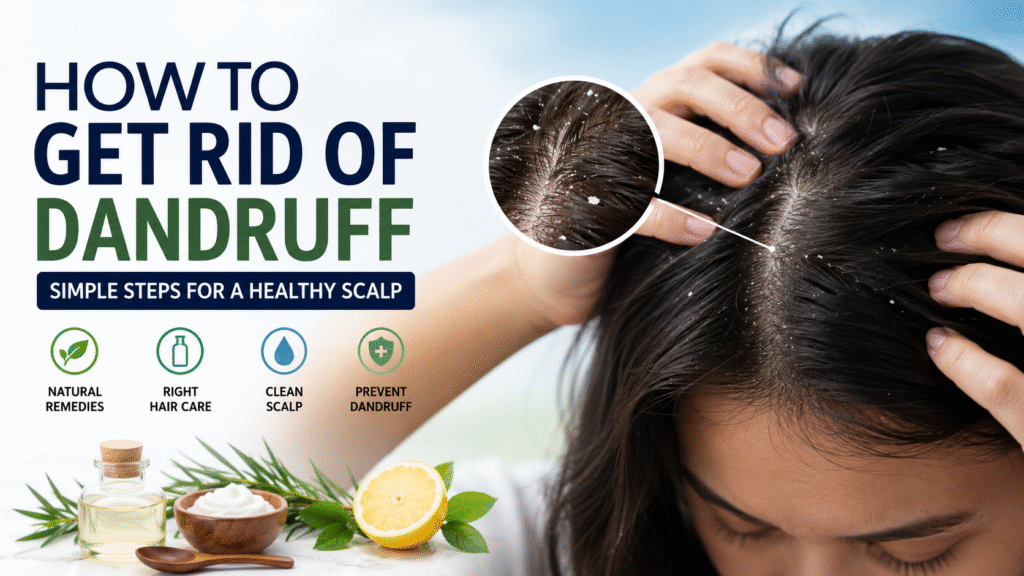
If you’ve ever noticed white flakes on your shoulders or experienced an itchy scalp that won’t go away, you’re not alone. Dandruff is one of the most common scalp conditions, affecting people of all ages. While it isn’t usually a serious medical problem, it can be frustrating, uncomfortable, and sometimes embarrassing.
Learning how to get rid of dandruff starts with understanding its root cause. Contrary to popular belief, dandruff isn’t always caused by poor hygiene. It can result from a combination of oily skin, dry skin, sensitivity to hair products, or an overgrowth of a naturally occurring scalp yeast.
This guide explains what causes dandruff, the most effective treatments, home remedies that may help, common mistakes to avoid, and practical strategies to prevent flakes from returning.
Key Takeaways
- Dandruff has several possible causes, including oily scalp, dry skin, fungal overgrowth, and skin conditions.
- Medicated shampoos are often the most effective first-line treatment.
- Consistent scalp care is more important than washing your hair excessively.
- Some natural remedies may help mild dandruff but should not replace proven treatments for severe cases.
- Persistent or worsening dandruff may require evaluation by a healthcare professional.
Main Article
What Is Dandruff?
Dandruff is a scalp condition that causes dead skin cells to shed more rapidly than normal. The flakes can appear white or yellowish and are often accompanied by itching.
Although dandruff is not contagious, it can affect confidence and quality of life.
What Causes Dandruff?
There isn’t a single cause of dandruff. Instead, several factors may contribute.
Oily Scalp and Seborrheic Dermatitis
One of the most common causes is seborrheic dermatitis, a condition that produces oily, inflamed skin with flaky patches. It commonly affects the scalp but may also appear around the eyebrows, ears, nose, and beard.
Malassezia Yeast
A naturally occurring yeast called Malassezia lives on most people’s scalps. In some individuals, it grows excessively, irritating the scalp and speeding up skin cell turnover, leading to visible flakes.
Dry Skin
Dry skin tends to produce smaller, finer flakes than oily dandruff. It often becomes worse during cold weather or in dry indoor environments.
Product Sensitivity
Some people develop irritation or allergic reactions to shampoos, conditioners, dyes, or styling products. This condition is known as contact dermatitis and may resemble dandruff.
Skin Conditions
Certain skin disorders can also contribute, including:
- Psoriasis
- Eczema
- Atopic dermatitis
These conditions usually require medical diagnosis and targeted treatment.
Signs and Symptoms
Common symptoms include:
- White or yellow scalp flakes
- Persistent itching
- Dry scalp
- Oily scalp with greasy scales
- Mild redness or irritation
- Flakes on clothing, especially dark fabrics
How to Get Rid of Dandruff Effectively
The best treatment depends on what’s causing the problem.
1. Use an Anti-Dandruff Shampoo
For most people, medicated shampoos are the most effective solution.
Look for active ingredients such as:
| Ingredient | Best For |
|---|---|
| Zinc pyrithione | Reduces yeast and bacteria on the scalp |
| Ketoconazole | Targets fungal overgrowth |
| Selenium sulfide | Slows skin cell turnover |
| Coal tar | Reduces excessive skin shedding |
| Salicylic acid | Removes built-up flakes |
Follow the instructions on the bottle, as some shampoos work best when left on the scalp for several minutes before rinsing.
2. Wash Your Hair Regularly
How often you should wash your hair depends on your hair type and scalp condition.
Generally:
- Oily hair may benefit from more frequent washing.
- Dry or curly hair may need less frequent washing with moisturizing products.
Keeping the scalp clean helps reduce oil buildup that can contribute to dandruff.
3. Massage the Shampoo Into Your Scalp
Many people focus only on washing their hair, but the scalp needs attention too.
Use your fingertips—not your nails—to gently massage the shampoo into the scalp for several minutes before rinsing thoroughly.
4. Avoid Heavy Product Build-Up
Hair sprays, gels, waxes, and oils can accumulate on the scalp.
If you frequently use styling products, clarify your scalp periodically with an appropriate shampoo.
Natural Remedies That May Help
Some home remedies may provide relief for mild dandruff.
Tea Tree Oil
Tea tree oil has antifungal properties that may help reduce dandruff in some people.
Because it can irritate sensitive skin, always dilute it properly or use shampoos containing a small amount of tea tree oil.
Aloe Vera
Aloe vera may soothe itching and reduce scalp irritation.
Coconut Oil
Coconut oil may improve scalp moisture in people with dry skin and reduce discomfort.
Apple Cider Vinegar
Although popular online, scientific evidence supporting apple cider vinegar for dandruff remains limited. It should never be applied undiluted.
Home Remedies vs. Medical Treatments
| Home Remedies | Medical Treatments |
|---|---|
| Helpful for mild dandruff | Best for moderate to severe dandruff |
| Limited scientific evidence | Supported by clinical research |
| May soothe symptoms | Targets underlying causes |
| Results vary | More consistent outcomes |
Daily Habits That Help Prevent Dandruff
Healthy scalp care makes a significant difference over time.
Consider these habits:
- Wash your hair according to your scalp type.
- Rinse shampoo thoroughly.
- Avoid scratching your scalp.
- Eat a balanced diet rich in vitamins and healthy fats.
- Stay hydrated.
- Manage stress effectively.
- Clean brushes and combs regularly.
- Replace old hair products if they cause irritation.
Foods That Support Scalp Health
Although diet alone doesn’t cure dandruff, proper nutrition supports healthy skin.
Focus on foods rich in:
- Omega-3 fatty acids
- Zinc
- Vitamin B complex
- Vitamin D
- Protein
- Iron
Examples include:
- Salmon
- Eggs
- Nuts
- Seeds
- Leafy green vegetables
- Greek yogurt
- Beans
Common Mistakes That Make Dandruff Worse
Many people unknowingly worsen their symptoms.
Avoid these common mistakes:
Using Too Much Hair Oil
Applying excessive oil to an already oily scalp can encourage yeast growth.
Switching Products Too Quickly
Most dandruff shampoos require several weeks of consistent use before showing full results.
Scratching the Scalp
Scratching damages the skin barrier and increases irritation.
Ignoring Persistent Symptoms
If dandruff doesn’t improve despite treatment, another scalp condition may be responsible.
How Long Does It Take to Get Rid of Dandruff?
Results vary depending on the cause.
Typical expectations are:
- Mild dandruff: 1–2 weeks
- Moderate dandruff: 2–4 weeks
- Severe dandruff: May require prescription treatment
Consistency is essential. Stopping treatment too soon often allows dandruff to return.
When Should You See a Doctor?
Consult a healthcare professional if:
- Dandruff persists after four weeks of treatment.
- Your scalp becomes swollen or painful.
- You notice bleeding or crusting.
- Hair loss develops alongside dandruff.
- The itching becomes severe.
- Large, thick scales continue to spread.
A dermatologist can determine whether another condition, such as psoriasis or eczema, is causing your symptoms.
Can Dandruff Come Back?
Yes.
Because many of its causes are ongoing, dandruff often returns if treatment stops completely.
To reduce recurrence:
- Continue using anti-dandruff shampoo once weekly after symptoms improve.
- Maintain a consistent scalp-care routine.
- Reduce excessive oil buildup.
- Avoid products that irritate your scalp.
- Address underlying skin conditions promptly.
Frequently Asked Questions
1. What is the fastest way to get rid of dandruff?
Using a medicated anti-dandruff shampoo with ingredients such as ketoconazole, zinc pyrithione, or selenium sulfide is typically the quickest and most effective approach.
2. Is dandruff caused by poor hygiene?
No. While infrequent washing can worsen flakes in some people, dandruff is usually linked to scalp oil, yeast overgrowth, skin sensitivity, or underlying skin conditions rather than poor hygiene.
3. Can dandruff cause hair loss?
Dandruff itself does not usually cause hair loss. However, severe itching and frequent scratching may damage hair or contribute to temporary shedding.
4. Are natural remedies enough to treat dandruff?
Natural remedies may help mild cases, but persistent or severe dandruff often responds better to clinically proven medicated shampoos or prescription treatments.
5. How often should I use anti-dandruff shampoo?
Most products recommend using them two to three times per week initially. Once symptoms improve, many people can switch to once-weekly maintenance. Always follow the product instructions.
6. Can stress make dandruff worse?
Yes. Stress does not directly cause dandruff, but it can worsen existing symptoms by affecting the skin and immune system.
7. Is dandruff contagious?
No. You cannot catch dandruff from another person.
Conclusion
Knowing how to get rid of dandruff involves more than choosing the right shampoo. Effective treatment begins with identifying the underlying cause, following a consistent scalp-care routine, and using evidence-based products that address your specific symptoms.
For many people, regular use of a medicated shampoo combined with healthy scalp habits is enough to control dandruff and prevent future flare-ups. If symptoms persist despite proper treatment or become severe, consulting a dermatologist is the best next step to ensure an accurate diagnosis and effective care.
With patience and the right approach, most cases of dandruff can be managed successfully, helping you maintain a healthier scalp and greater confidence every day.