How Men Are Styling Streetwear Hoodies Right Now

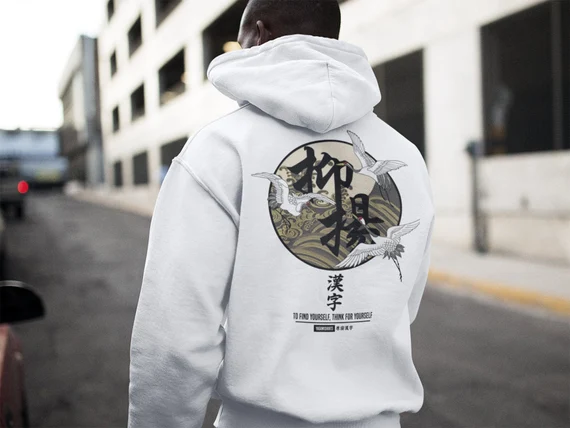
Over the past few years, a hoodie has become a staple in the men’s wardrobe, but its role has changed. From a comfortable piece for loungewear and sports, it has evolved into a fully-fledged tool for creating stylish, well-thought-out looks. Today, a hoodie is the foundation around which silhouettes are built, textures are selected, and accents are placed. Want to wear hoodies and keep it interesting? Here are the go-to moves right now.
No Hoodie? No Style
Nowadays, streetwear hoodies for men are not about sports or home, but about freedom and style. Hoodies used to be perceived as the antithesis of style: they were worn when you didn’t want to think about your look. Things are different now. It’s all about form and context. They’ve become a marker of an understanding of proportions, the ability to combine the incompatible, and a sense of the world around you.
A hoodie offers that relaxed vibe that’s often lacking in ironed outfits. But this relaxed feeling is controlled. It exists only as long as the balance between colors, fabrics, and layers is maintained. That’s why outfits with hoodies look modern: they don’t overpower, but they’re immediately noticeable. And that’s why, when looking for inspiration, it’s important to look not just at the item, but at how it works together, not on its own.
The Looser the Hoodie, the Better
The main rule today is no tight clothing. Choose a loose-fitting hoodie with dropped shoulders and sleeves that cover the wrists. The length should be just below the waist, but not to mid-thigh. The fit should create a feeling of natural relaxation, without a hint of sloppiness. Thick, brushed fleece is recommended for styles; it holds its shape and doesn’t bunch up. These pieces set the tone for the entire look. It’s about freedom of thought and movement.
Layering Is the Secret to a Complex Look
One of the most popular styling tricks now is to wear a hoodie under a jacket or coat. But there are some nuances. You can wear a loose jacket over a bulky sweatshirt. The key is to make sure the jacket isn’t fitted, but rather straight-cut and made of soft wool or thick cotton. This way, a hoodie acts as an interlayer, adding dynamism to the look.
It’s the same with a coat: choose a long, loose one without unnecessary details so it doesn’t clash with a hoodie’s volume. You can choose complementary colors or play with contrast. It all depends on the desired end result.
The Finishing Touch: Shoes and Trousers
Wide trousers look best with a loose hoodie: cargo pants with patch pockets, straight-leg or loose-fitting jeans, or thick fabrics with pleats at the waist. Shoes should be chosen to match the overall style. These could be chunky sneakers with a retro aesthetic, rugged boots with thick soles, or minimalist canvas sneakers. It’s important that the shoes support the stated volume and don’t look too delicate against the chunky top.
Color Palette: From Basic to Complex Shades
Black, gray, and navy blue remain the foundation that can be used in any situation. But if you want to take things further, consider complex shades from the natural palette: marsh green, burnt ocher, terracotta, dark green, and dusty pink. These colors look elegant and pair easily with both a neutral base and denim.
Bright accent colors are also a good choice, but use them with caution. If a hoodie is a rich orange or acid green, the rest of the outfit should be as subdued as possible—black, white, or gray. This will help maintain balance and avoid turning the look into a masquerade.
Details and Accessories
Accessories complete the look. A hat (chunky knit or fine wool), a shoulder bag, or a belt with an interesting buckle—all contribute to the overall impression. Large lettering and logos on hoodies themselves are currently discouraged, unless they are a design feature. Hoodies with unusual seams, contrasting hood lining, prints created in collaboration with artists, or hand-embroidered elements look more interesting. These items are perceived as independent objects, not just a backdrop.
Wrapping It Up
Today, a hoodie is no longer just everyday wear, but a complete piece that can set the tone for an entire look. How it’s cut, what it’s made of, and how it fits are all important. Previously, a hoodie was seen as something you didn’t need to worry about, but now a well-chosen hoodie and outfit is a sign of a person’s understanding of the context and ability to work with form. Accessories act as the final layer; without them, an outfit often appears flat. They can add depth and character to even the simplest hoodie. Interesting watches, glasses, and jewelry—these are what help make an outfit memorable.