

Is Flamin Hot a True Story? The Real Truth

Is Flamin Hot a True Story? The Real Truth
Few snack brands have a backstory as widely discussed as Flamin’ Hot Cheetos. Over the years, the origin story has turned into a cultural phenomenon, especially after Hollywood released a biographical film based on it. But the big question still remains: is Flamin Hot a True Story or just a powerful marketing myth that grew over time?
The answer is not as simple as yes or no.
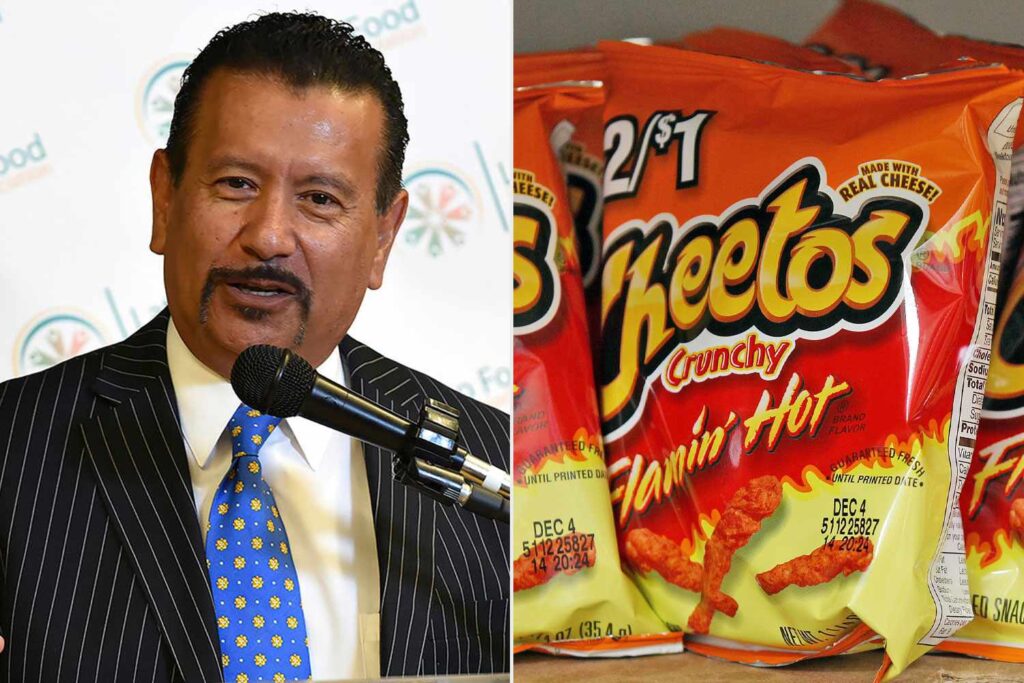
The story revolves around Flamin’ Hot and the life of Richard Montañez, who claimed he played a major role in creating one of the most iconic spicy snacks in the world. For many years, his version of events inspired millions, especially within Latino communities and entrepreneurial circles.
However, later investigations and corporate statements raised questions that complicated the narrative.
So let’s break it down clearly, honestly, and in a way that actually makes sense.
Understanding the Flamin Hot a True Story Question
When people ask whether Flamin Hot a True Story is real, they are usually referring to Richard Montañez’s inspirational journey.
According to his widely known account, Montañez started as a janitor at Frito-Lay and later developed the idea for Flamin’ Hot Cheetos after experimenting with spices at home. He then supposedly pitched the idea directly to company executives, helping create one of the most successful snack products in history.
It sounds like a classic American dream story.
But the truth is more layered than the movie version suggests.
The Rise of Richard Montañez
Before the controversy, Richard Montañez was celebrated as a symbol of opportunity and creativity. His story became popular in corporate speeches, motivational events, and business books.
He often described:
- Growing up in a low-income household
- Working multiple jobs
- Starting at Frito-Lay as a janitor
- Observing snack production processes
- Creating a spicy seasoning idea inspired by Mexican street food
- Pitching his idea to company leadership
These elements formed the emotional backbone of what many believed was the Flamin Hot a True Story narrative.
It was inspiring, relatable, and powerful.
What the Movie Shows
The film adaptation portrays Montañez as the creative force behind Flamin’ Hot Cheetos. It emphasizes his determination, cultural pride, and entrepreneurial mindset.
In the movie, he becomes the central figure who transforms an idea into a global product.
This cinematic version of the Flamin Hot a True Story story focuses heavily on:
- Overcoming poverty
- Workplace barriers
- Cultural identity
- Innovation from lived experience
- Corporate resistance
- Personal ambition
However, films often dramatize real-life events for storytelling purposes. That is important to remember when evaluating historical accuracy.
What Corporate Records Say
When companies and former employees reviewed internal records, a different timeline emerged.
According to corporate accounts, the Flamin’ Hot seasoning was developed by a team of food scientists working within Frito-Lay’s research division.
This means:
- The product concept was already in development
- Professional researchers were involved in formulation
- Testing and marketing teams refined the product
- It was part of a structured corporate innovation process
This information created tension with the popular Flamin Hot a True Story narrative.
However, it does not completely erase Montañez’s role within the company.
Where the Confusion Comes From
The confusion around Flamin Hot a True Story comes from overlapping truths.
Here’s what is generally accepted:
- Richard Montañez worked at Frito-Lay
- He rose through the company over time
- He contributed to marketing ideas later in his career
- He promoted spicy flavor concepts within cultural marketing discussions
- The product itself was created through corporate development teams
So, while Montañez may not have directly invented Flamin’ Hot Cheetos, his influence on marketing strategy and cultural outreach is still part of his legacy.
This is where things become nuanced.
Why the Story Became So Popular
Even if the exact details of Flamin Hot a True Story are debated, the narrative became extremely popular for several reasons:
1. Inspirational Appeal
People love underdog stories that show success against all odds.
2. Cultural Representation
The story highlighted Latino culture in mainstream corporate America.
3. Corporate Motivation
Companies used it as an example of employee innovation.
4. Media Amplification
Interviews, speeches, and books expanded the narrative.
5. Hollywood Adaptation
The film amplified emotional elements for storytelling impact.
Together, these factors turned Flamin Hot a True Story into more than just a product origin—it became a symbol.
The Debate Around Authenticity
The central controversy is not whether Montañez worked at Frito-Lay, but whether he invented Flamin’ Hot Cheetos.
Critics argue:
- Internal records do not support his invention claim
- Product development was already underway
- Food scientists led the formulation process
Supporters argue:
- He contributed to cultural marketing ideas
- He inspired innovation within the company
- Personal storytelling reflects broader truth, even if details differ
So when asking is Flamin Hot a True Story, the answer depends on what “true” means.
Is it about exact invention? Or broader inspiration?
The Role of Hollywood Storytelling
Hollywood films often reshape real-life events to create emotional impact. The goal is not always strict historical accuracy but narrative engagement.
In the case of Flamin’ Hot, the film emphasizes:
- Personal struggle
- Cultural pride
- Entrepreneurial spirit
- Emotional triumph
This storytelling approach naturally simplifies complex corporate history.
So the movie contributes to why many people still search Flamin Hot a True Story today.
Richard Montañez’s Perspective
Montañez continues to stand by his version of events. He often emphasizes his journey from janitor to executive as proof of his contribution to innovation within the company.
From his perspective, the Flamin Hot a True Story narrative is not just about a product—it’s about breaking barriers and achieving success despite limited opportunities.
Regardless of the debate, his life story remains influential in motivational speaking and business leadership discussions.
Impact on Popular Culture
The Flamin Hot a True Story debate has influenced:
- Business ethics discussions
- Corporate storytelling practices
- Diversity and inclusion narratives
- Media fact-checking standards
- Public trust in inspirational stories
It also sparked broader conversations about how history is recorded in corporate environments.
Key Facts About the Flamin’ Hot Story
Here’s a simple breakdown:
- The snack exists and is widely popular
- The corporate team developed the product
- Richard Montañez worked at the company
- His role in invention is disputed
- His influence on marketing culture is acknowledged
- The story became a major cultural narrative
This is why the question Flamin Hot a True Story continues trending online.
Table: Key People Involved
| Name | Role | Connection |
|---|---|---|
| Richard Montañez | Former employee, speaker | Claimed creator of Flamin’ Hot idea |
| Frito-Lay research team | Product developers | Created seasoning formula |
| PepsiCo executives | Corporate leadership | Approved product launch |
| Marketing department | Branding team | Expanded cultural outreach |
Why People Still Believe the Story
Even with controversy, many people still emotionally connect with the Flamin Hot a True Story narrative.
That’s because:
- It represents hope
- It reflects immigrant success stories
- It feels authentic on a personal level
- It inspires entrepreneurship
- It challenges corporate stereotypes
Sometimes emotional truth becomes more powerful than factual precision.
Lessons From the Flamin Hot a True Story Debate
Regardless of where you stand, there are important takeaways:
1. Stories Shape Perception
Narratives can influence how people view history.
2. Corporate Innovation Is Complex
Products rarely come from one person alone.
3. Representation Matters
People relate strongly to stories of success from humble beginnings.
4. Fact and Inspiration Can Coexist
A story can be inspiring even if details are debated.
The Real Truth Behind Flamin Hot a True Story
So what is the final answer?
The most accurate explanation is this:
Flamin Hot a True Story is partially true in spirit, but disputed in technical details.
The product was developed by a corporate team, but Richard Montañez’s personal story and influence contributed to how the brand later connected with culture and marketing audiences.
In other words, the truth is layered—not purely myth, not purely literal fact.
Conclusion
The question of whether Flamin Hot a True Story is real continues to spark debate because it sits at the intersection of storytelling, corporate history, and personal ambition.
What started as a snack product evolved into a powerful narrative about opportunity, creativity, and success. Whether fully accurate or partially mythologized, the story has had a lasting cultural impact.
It shows how powerful human stories can become when they connect emotion, identity, and aspiration.
Ultimately, the Flamin Hot a True Story discussion is not just about who invented a snack—it’s about how stories are created, shared, and believed in modern culture.
And perhaps that is the most interesting truth of all.