

How Orca Slicer Supports Modern 3D Printers and Firmware

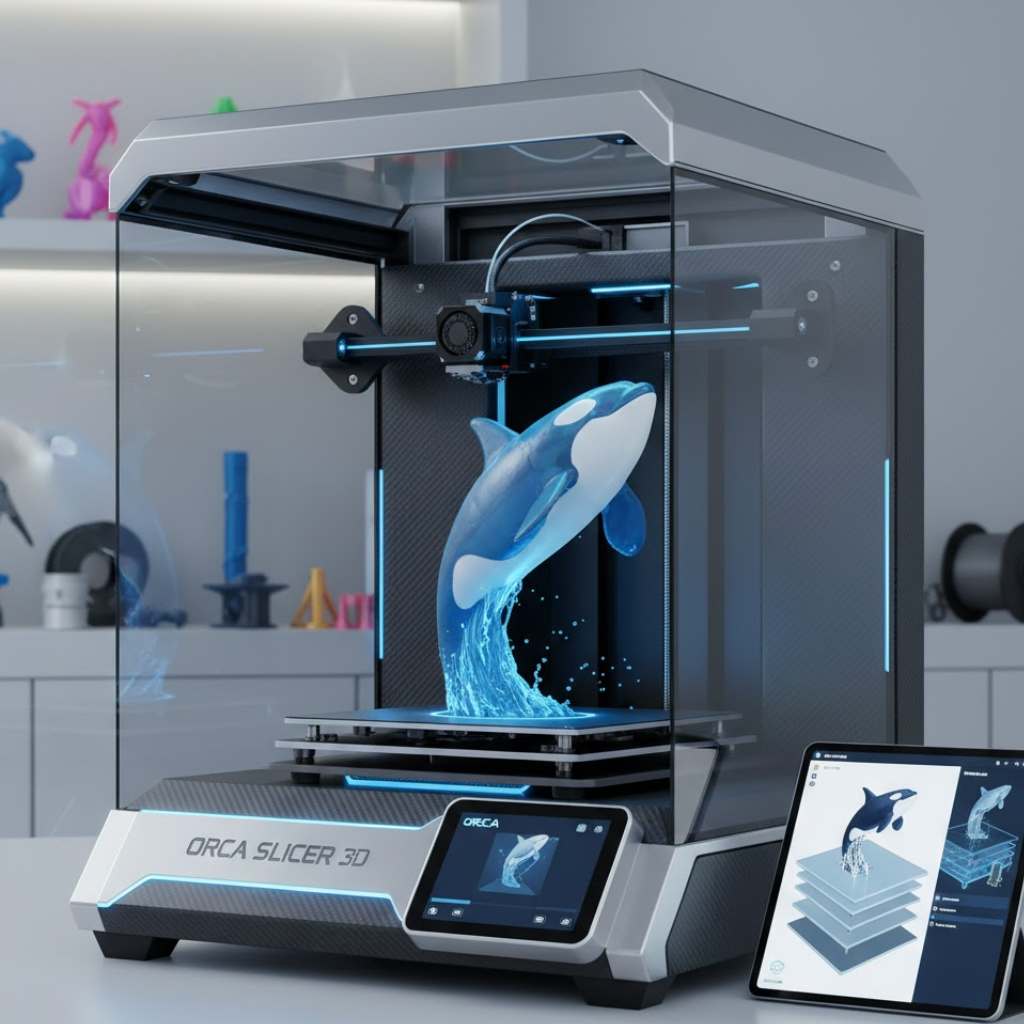
Modern 3D printers are faster, smarter, and more firmware-driven than ever—which is great until your slicer can’t keep up with the features you actually use. From pressure advance tuning to multi-material workflows, today’s machines need software that understands both the hardware and the firmware “language” underneath.
That’s where tools like orcasslicer.com stand out: they’re built to translate modern printer capabilities into reliable toolpaths, practical presets, and settings that don’t feel like guesswork. The result is less trial-and-error and more consistent prints, especially on high-speed CoreXY and tuned bedslingers.
Below is a practical look at how Orca Slicer supports current-generation printers and popular firmware ecosystems—and how to take advantage of those features without turning every print into a calibration marathon.
Why firmware compatibility matters more than it used to
On older machines, “compatibility” often meant little more than producing valid G-code. With Klipper, Marlin 2.x, and vendor-custom firmware now enabling advanced motion control, compatibility means understanding which features exist, how they’re configured, and what the slicer should emit to trigger them correctly.
In real-world terms, firmware-aware slicing helps you:
- Maintain dimensional accuracy at higher speeds (without ringing artifacts)
- Reduce stringing and blobbing through smarter retraction and pressure control
- Keep first layers consistent using correct bed/mesh behaviors and start sequences
- Handle multi-part cooling and volumetric flow limits safely
How Orca Slicer maps modern printer features into usable settings
Orca Slicer’s value is less about a single “magic” setting and more about how it bundles advanced controls into workflows that make sense for everyday printing. Instead of forcing you to hand-edit G-code for every change, it supports common printer/firmware patterns through profiles, overrides, and calibration-oriented tools.
High-speed printing support without sacrificing print quality
High-speed 3D printing demands coordinated tuning across acceleration, jerk/junction deviation, max volumetric flow, and cooling. Orca Slicer accommodates these realities by making it easier to align slicer-side speeds and volumetric constraints with what your hotend and firmware can actually sustain.
Practical ways this shows up:
- More predictable wall quality by balancing speed vs. flow limits
- Better overhang performance through targeted cooling and layer timing
- Cleaner corners when motion settings and extrusion behavior are in sync
Firmware-friendly G-code habits (start, end, and transitions)
Many “mystery failures” come from mismatched start G-code—homing order, heating strategy, purge routines, or bed mesh calls that don’t match the firmware configuration. Orca Slicer supports modern expectations by letting you tailor start/end sequences cleanly, so your printer warms up, probes, and purges in a predictable, repeatable way.
Klipper, Marlin, and vendor firmware: what users should expect
Most users fall into one of three camps: community firmware (Klipper), traditional mainstream (Marlin), or manufacturer-tuned variants (often Marlin-based, sometimes locked down). Orca Slicer is commonly used across all three because it’s flexible about how profiles and machine settings are defined.
If you’re configuring for best results, focus on these alignment points:
- Extrusion control: match retraction strategy and any pressure-related tuning to your firmware setup
- Motion limits: keep slicer acceleration/speed within your configured firmware caps
- Temperature behavior: ensure start G-code heats in the order your printer expects (especially with probing)
- Bed leveling: call the right mesh routine (or avoid it) depending on how your firmware stores/loads meshes
Getting the most from Orca Slicer: a practical setup checklist
To make firmware support “real” (not theoretical), set up your printer profile so slicer intent matches printer reality. Here’s a simple sequence that works for most modern machines.
- Confirm firmware limits: max acceleration, max speed, and any flow-related caps.
- Set realistic volumetric flow: base it on your hotend/nozzle and typical materials.
- Dial in retraction per material: PETG, PLA, TPU often need different values.
- Review start G-code: ensure homing, probing, and purge are in the right order.
- Run calibration prints: validate first layer, pressure/flow behavior, and cooling for overhangs.
Conclusion
Orca Slicer supports modern 3D printers by treating firmware features as first-class tools, not afterthoughts—helping you translate high-speed motion systems, smarter extrusion control, and bed leveling routines into consistent, repeatable prints. When your slicer and firmware agree on limits, sequences, and extrusion behavior, quality becomes easier to predict.
In short: align your profile with your firmware’s capabilities, keep flow and motion realistic, and use Orca Slicer’s modern workflow to reduce tinkering while improving accuracy, surface finish, and reliability across today’s fast, feature-rich printers.