

Sir Alex Ferguson: Legendary Career and Leadership Lessons

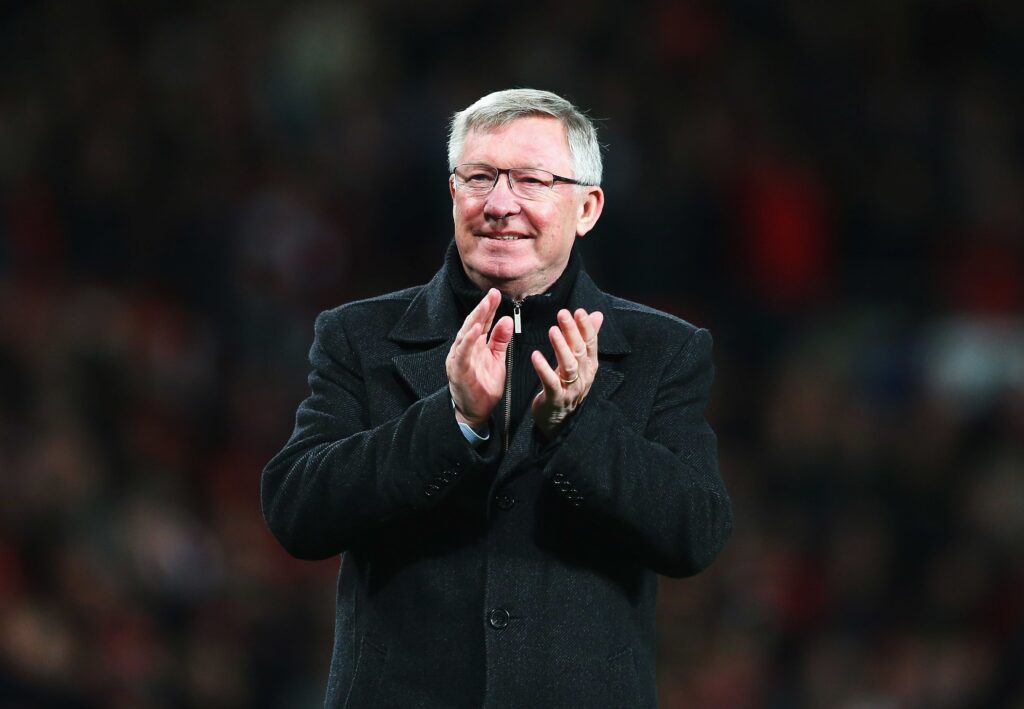
Sir Alex Ferguson: Legendary Career and Leadership Lessons
When we talk about football management, one name towers above nearly all others: Sir Alex Ferguson. His journey from a young Scottish footballer to one of the most successful managers in history reads like a masterclass in leadership, resilience, and vision. Whether you are a die-hard Manchester United fan, a student of leadership, or simply someone fascinated by human achievement, understanding Ferguson’s approach offers lessons far beyond the pitch. In this article, we’ll explore the milestones of his career, the principles behind his success, and actionable leadership insights you can apply in your own life. By the end, you’ll see why Sir Alex Ferguson isn’t just a football icon — he’s a blueprint for sustained excellence.
Early Life and Playing Career
Born in Govan, Glasgow, Scotland in 1941, Sir Alex Ferguson grew up in a working-class family where hard work, discipline, and community mattered. Football was more than a pastime; it was a calling. He started playing for local clubs, eventually joining Queen’s Park, and later Dundee United and Rangers, developing a reputation as a determined striker. His playing career was steady, but it was his understanding of tactics, psychology, and team dynamics that hinted at his future as a managerial legend. Ferguson’s early experiences taught him two critical lessons: talent alone isn’t enough, and leadership requires vision and consistency. These principles would define his managerial philosophy.
Rise to Management
Ferguson transitioned from playing to coaching in his late 20s. He first managed East Stirlingshire, followed by St. Mirren, achieving notable success with a modest squad. His real breakthrough came when he took charge of Aberdeen in 1978. Under his guidance, Aberdeen broke the dominance of Scottish football giants, winning multiple league titles and the European Cup Winners’ Cup in 1983. It was here that Ferguson’s ability to inspire, innovate, and demand excellence became unmistakable.
Key Early Achievements at Aberdeen
- Scottish Premier Division Titles: 3
- Scottish Cups: 4
- Scottish League Cup: 1
- European Cup Winners’ Cup: 1
These successes cemented his reputation as a manager who could elevate underdog teams to compete with the best.
Arrival at Manchester United
In 1986, Ferguson joined Manchester United, a club with immense potential but struggling for consistency. Critics doubted his ability to handle the pressure, but Ferguson’s blend of discipline, charisma, and vision quickly transformed the team. His focus was not only on winning matches but building a culture of accountability and resilience.
Challenges in the Early Years
Ferguson’s early tenure at United was rocky. The team struggled in the league, and his management style — strict, demanding, and sometimes confrontational — faced skepticism. However, Ferguson stayed true to his principles: nurture young talent, instill discipline, and prioritize long-term growth over short-term applause.
Legendary Career Milestones
Sir Alex Ferguson’s tenure at Manchester United lasted 26 years, during which he became synonymous with success. He managed over 1,500 games, winning numerous domestic and international trophies. His career highlights include:
- Premier League Titles: 13
- FA Cups: 5
- League Cups: 4
- UEFA Champions League Titles: 2
- FIFA Club World Cup: 1
- Treble (1998-1999): Premier League, FA Cup, Champions League
Ferguson’s ability to rebuild and adapt, integrating young talent like Ryan Giggs, David Beckham, and Cristiano Ronaldo, showcases his strategic genius. He was not afraid to evolve with the game, constantly learning and innovating while maintaining core principles.
Leadership Lessons from Sir Alex Ferguson
Ferguson’s managerial success isn’t just about trophies. It’s about leadership principles that transcend football. Here’s what makes him a study in effective leadership:
1. Discipline and Standards
Ferguson demanded high standards from every player. Late arrivals, poor attitude, or lack of focus were unacceptable. This discipline wasn’t punitive; it set clear expectations that allowed players to excel.
2. Patience and Long-Term Vision
He didn’t chase short-term success. Building championship teams required patience, strategic recruitment, and development of young talent.
3. Emotional Intelligence
Ferguson understood his players. He knew when to motivate, when to challenge, and when to give space. This emotional insight created loyalty and performance under pressure.
4. Adaptability
Over 26 years, football evolved drastically. Ferguson’s ability to adapt tactics, training, and management style kept Manchester United at the top for decades.
5. Focus on Team Over Individual
While Ferguson managed superstars, he emphasized teamwork. Success was about collective effort, not individual glory.
Training the Next Generation: The Ferguson Method
Ferguson believed in nurturing young talent, famously promoting the Class of ’92, which included Ryan Giggs, Paul Scholes, and Gary Neville. His approach to development combined rigorous technical training, mental resilience coaching, leadership mentoring, and team integration strategies. This holistic method ensured players didn’t just succeed individually but contributed to a winning culture.
Famous Quotes by Sir Alex Ferguson
Ferguson’s insights are often quoted for their wisdom and clarity. Some of his most notable include:
- “Football, bloody hell.” – on the drama of the game
- “I never believe in shortcuts.” – emphasizing hard work
- “Attack wins you games, defense wins you titles.” – strategic focus
These quotes reflect his blend of pragmatism, inspiration, and humor.
Legacy Beyond Football
Sir Alex Ferguson’s influence extends beyond the pitch. He is a mentor, author, and public speaker, sharing lessons in leadership, motivation, and resilience. His autobiography and numerous interviews reveal a philosophy that applies to business, education, and personal growth.
Off-Pitch Achievements
- Philanthropy and charity work
- Mentorship programs for young coaches
- Leadership workshops and public speaking
His legacy is not only measured by trophies but by the lives he’s impacted and the leadership principles he’s passed on.
Key Takeaways from Sir Alex Ferguson’s Career
- Leadership is about vision and consistency
- Discipline and emotional intelligence drive results
- Patience and long-term planning outperform short-term success
- Invest in talent, nurture potential, and embrace change
- Success is a balance of individual skill and collective effort
Sir Alex Ferguson: Career Bio Table
| Full Name | Sir Alexander Chapman Ferguson |
|---|---|
| Date of Birth | December 31, 1941 |
| Age | 84 (as of 2026) |
| Profession | Football Manager / Former Player |
| Nationality | Scottish |
| Net Worth (Approx.) | $70 million |
| Notable Works / Achievements | Manchester United Manager 1986–2013, 13 Premier League Titles, UEFA Champions League Titles, Treble 1998–1999 |
Conclusion
Sir Alex Ferguson legendary career teaches us that success is never accidental. It’s built on discipline, vision, adaptability, and the courage to lead. Whether on the football field or in life, his principles of leadership, patience, and emotional intelligence provide timeless lessons. By studying Ferguson, we see that greatness is achieved not only through talent but through relentless commitment, strategic thinking, and unwavering belief in a vision. Share this article if you’re inspired by his journey, and let’s celebrate one of football’s greatest leaders together.